Choose Powell River General Contractor for Custom Remodeling
How to Select the Best General Contractor for Your Next Home Project
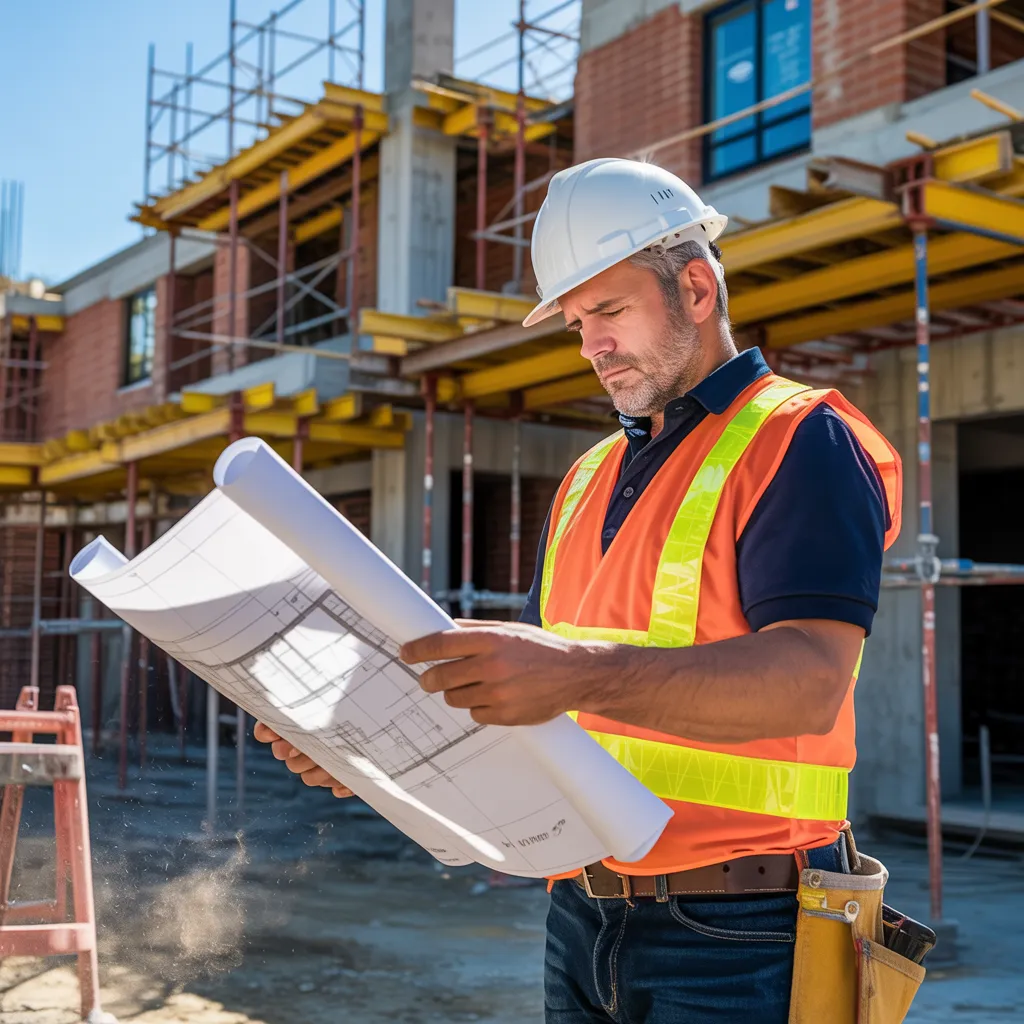
Selecting an appropriate general contractor for a residential renovation is a crucial choice. This requires thorough evaluation of multiple elements, including expertise, qualifications, and ability to communicate. Many homeowners overlook key aspects, leading to expensive errors. Knowing how to assess potential contractors can make a significant difference. By focusing on vital standards and posing appropriate inquiries, one can manage this complex process more successfully. What are the important procedures to guarantee a successful partnership?
How to Circumvent Common Pitfalls When Opting For a Professional
When selecting a builder, how can one manage the numerous of options without triggering usual errors? Prospective clients commonly neglect key factors that can bring about poor results. First, considering price alone can be deceptive; the lowest price may mean low-grade work or unexpected fees. Additionally, not reviewing referrals or web evaluations can result in hiring a contractor with a poor track record. It is also crucial to avoid making decisions based on charisma alone; a charming professional may not be skilled or dependable. Moreover, not setting clear communication and goals can lead to misunderstandings and dissatisfaction. Finally, neglecting to carefully read agreements before signing can bring about unanticipated duties or weak protections. By being vigilant and informed, homeowners can make better choices, finally achieving a successful outcome.
Things to Consider in a Contractor's Track Record
When reviewing a contractor experience, many important considerations become relevant. Relevant project experience, industry certifications, and an substantial range of completed work represent critical indicators of their capabilities. Assessing these features can present meaningful perspective into the contractor suitability for the specific project at hand.
Pertinent Project History
Comprehending a contractor's relevant work background is vital for guaranteeing the success of any construction project. Prospective clients should evaluate the contractor's body of work, focusing on completed projects comparable in scope and style to their own. This involves reviewing the caliber of craftsmanship, compliance to timelines, and financial management in prior undertakings. Furthermore, it is beneficial to inquire about the kinds of materials used and the contractor's knowledge with local construction regulations and regulations. Reviews and referrals from past clients can offer understanding into the contractor's reliability and interpersonal abilities. In the end, a contractor with substantial relevant experience can address obstacles competently, ensuring the project satisfies the homeowner's expectations and standards.
Sector Qualifications And Authorizations
Certification and permit requirements serve as essential indicators of a contractor's professional competence and skill in the construction industry. When choosing a general contractor, it is vital to verify that they possess the necessary licenses required by local and state regulations. These licenses demonstrate adherence to building codes and safety standards. Additionally, industry certifications, such as those from the National Association of Home Builders or similar organizations, indicate a contractor's commitment to quality and ongoing education. Contractors with specialized certifications may also possess skills in specific areas, such as green building or remodeling. Ensuring that a contractor has the appropriate credentials not just improves confidence in their capabilities but also minimizes potential legal and financial risks during the project.
Portfolio Of Completed Work
A tradesperson's portfolio featuring executed projects acts as a important resource for assessing their expertise and skills. This set should showcase a diversity of projects, reflecting adaptability in different styles and complexities. When considering a portfolio, potential clients must focus on high-quality photographs that visibly depict the workmanship involved. It is also helpful to notice projects that fit the homeowner's unique preferences or aesthetic preferences. Attention to detail, original approaches, and meeting deadlines are key indicators of a contractor’s competence. Additionally, client reviews or case studies featured in the portfolio can offer greater understanding of the contractor's work ethic and dependability. Ultimately, a robust portfolio can help homeowners make informed decisions about their upcoming projects.
Steps to validate Your Contractor Qualifications and Licenses
It is vital to check a general contractor's qualifications and certifications before enlisting their services, ensuring they meet industry standards. Consult local licensing boards to ensure the contractor holds the proper documentation needed for your area and project type. Understanding that each state has its own requirements can avert later problems.
In addition, question about insurance plans, such as liability and workers' compensation, to guarantee defense against potential accidents or damages. Collect references from previous clients and follow up to gauge satisfaction and reliability.
At the end, examine any credentials the contractor may have, as these often demonstrate specialized training and adherence to industry best practices. A systematic verification process not only guarantees compliance but also builds confidence in the contractor's ability to deliver the project successfully.
Why Communication Is Essential in Your Contractor Relationship
Effective communication is essential in the contractor-client relationship, shaping the project's success from the outset. Clear dialogue sets expectations, timelines, and budgets, ensuring both parties are aligned on the project's goals. When clients articulate their vision effectively, contractors can provide informed suggestions and solutions, improving the overall outcome.
Regular communications and transparent channels of dialogue enable quick handling of issues as they surface, reducing possible delays. In addition, a contractor who heeds and responds to customer suggestions establishes rapport, which is essential for collaboration.
In addition, strong dialogue assists with managing changes and unexpected challenges, holding the initiative on schedule. It allows the builder to modify approaches based on client input, securing approval throughout the engagement. Ultimately, focusing on dialogue not only reinforces the builder-customer bond but also significantly supports the effective completion of the home project.
Fundamental Points to Request of Your Project Manager in Preliminary Discussions
When meeting early on with a contractor, clients need to focus on their qualifications. It's essential to discuss the project timeline and budget to guarantee alignment with the client's objectives. These questions create a foundation for a effective partnership and productive project management.
Experience and Skills
Deciding on a lead contractor rests on knowing their professional history and qualifications. Homeowners should probe the contractor's experience duration and the types of projects they have completed. Important questions about licenses, certifications, and insurance are critical, as these ensure adherence to local codes and provide protection during the project. In addition, examining past assignments through portfolios or contacts can offer insight into the contractor's workmanship and reliability. It is also advantageous to ask about their experience with related works, as this can indicate their proficiency to manage distinct difficulties. Ultimately, analyzing a contractor's experience and qualifications fosters confidence and helps homeowners select the best option for their home work.
Project Roadmap and Resource Allocation
How can homeowners ensure their project stays on track financially and temporally when meeting with a general contractor? To maintain alignment, they should pose significant questions during initial meetings. Homeowners must ask about the estimated timeline for project completion and any possible setbacks that could occur. Understanding the contractor's approach to schedule management is essential. Additionally, discussing the budget upfront is vital; homeowners should obtain clear information on pricing estimates, payment plans, and any included contingencies for unforeseen expenses. Inquiring into previous projects can provide insight into the contractor's dependability in meeting deadlines and staying within budget. By creating open dialogue regarding timelines and finances, homeowners can foster a productive relationship with their contractor, enhancing the likelihood of a successful project.
Suggestions for Assessing References and Studying Evaluations
What measures should one take to ensure a general contractor is trustworthy? First, it is essential to request a list of referrals from potential contractors. A established contractor will willingly provide names and contact information of previous clients. One should contact these references to inquire about their experiences, focusing on aspects such as detailed information communication, workmanship, and adherence to timelines.
Moreover, checking online testimonials on platforms like Google, Yelp, or Angie's List can present important understanding. It is necessary to examine consistencies in the reviews—persistent praise or criticism can point to dependability or red flags.
Additionally, examining for any complaints submitted with local licensing boards or consumer protection organizations can uncover a contractor's history. Finally, requesting current project photographs can support the assessment of the standard of their work. By adopting this approach, one can render a more informed decision when choosing a general contractor.
Understanding Service Provider Pricing and Financial Terms
Homeowners should also acquaint themselves with common payment terms. Most contractors need a initial payment, accompanied by progress payments dependent on construction phases. It's important to go over these terms before finalizing an agreement to dodge confusion. Additionally, homeowners should question about extra charges, such as permits or unexpected repairs. Open exchange about rates and payment conditions will build a forthright operational partnership, ultimately resulting in a successful project outcome. Grasping these elements enables homeowners the power to choose effectively when selecting a general contractor.
Frequently Asked Frequently Asked Questions
How long will the project require to complete?
Duration of projects often vary with complexity levels and project scope. In most cases, you should expect several weeks to months for finishing the work. Climate, material availability, and labor supply can heavily affect the final timeline.
What Transpires if Unanticipated Problems Emerge During Building?
If unexpected issues arise during construction, the contractor usually assesses the situation, communicates with the homeowner, and suggests remedies. Adjustments to the schedule and budget may be necessary, guaranteeing openness throughout the process.
Will My Project Require Permits or Inspections?
Most projects require permits along with inspections to guarantee compliance with local building codes. It is essential to consult with a general contractor who comprehends these requirements, as they can manage the permitting process efficiently.
How Do You Deal With Subcontractors and Payment Obligations?
A reputable construction manager oversees subcontractors by establishing explicit agreements detailing payment terms. They guarantee prompt payment, maintain open communication, and monitor subcontractor performance, fostering a cooperative setting that aids in project success and efficiency.
What Is Your Position on Project Alterations or Improvements?
A versatile methodology to project changes is maintained by the contractor, requiring written documentation for any upgrades. They promise clear communication, examine budget impacts, and adapt deadlines accordingly to accommodate the customer's evolving needs and preferences.